New rules impact trans youth's participation in sports and access to healthcare for voters.
The Washington Blade
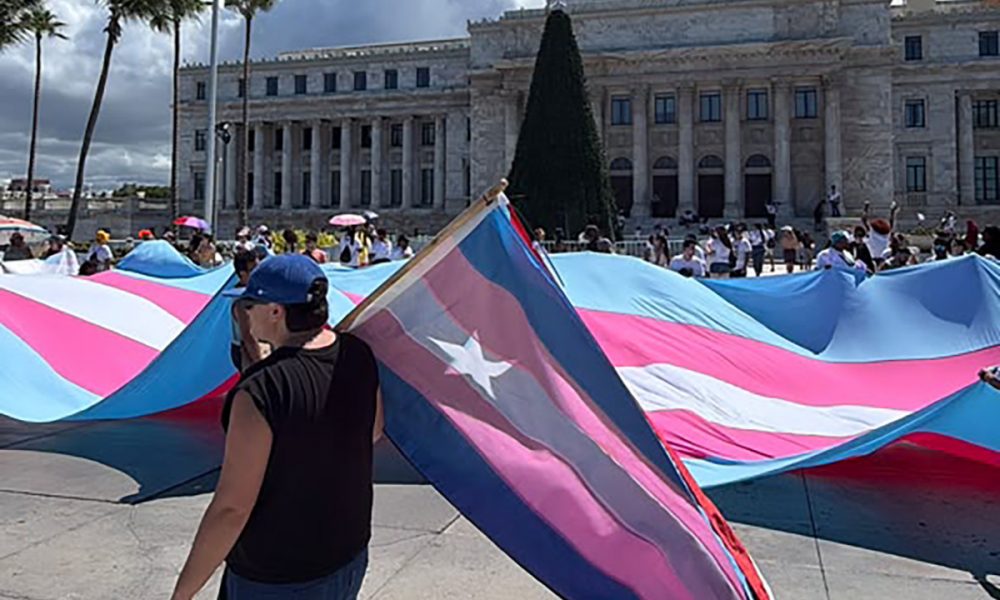
Voters in seven states will confront ballot initiatives this fall that directly impact transgender youth's participation in sports and access to healthcare. Many of these initiatives aim to restrict trans student-athletes from competing in alignment with their gender identity. This trend has been largely driven by Republican lawmakers, with some Democratic support emerging.
Since 2021, over half of U.S. states have enacted laws barring trans students from participating in sports that match their gender identity. Additionally, 27 states have banned gender-affirming healthcare for minors, further limiting access to necessary medical services.
In Arizona, a proposed ballot initiative seeks to restore a previously blocked law that would restrict trans athletes' participation based on their biological sex at birth. Colorado voters will also decide on measures that could ban transition-related surgeries for minors and restrict healthcare funding for such procedures. Missouri's ballot includes a proposal to add language banning gender-affirming medical care for trans minors.
Nebraska voters will consider a constitutional amendment requiring schools to designate sports teams based on biological sex. Virginia will vote on repealing a constitutional ban on same-sex marriage, while Vermont considers an equal rights amendment. Washington state voters will decide whether to impose strict verification requirements for girls' sports eligibility based on biological sex.
These initiatives reflect a broader national trend of increasing restrictions on LGBTQ+ rights, particularly affecting trans youth. The implications of these measures could significantly impact the lives of many young people across the country. As these issues unfold, they highlight the ongoing struggle for equality and access to healthcare for transgender individuals. The upcoming elections will be crucial in determining the future landscape of LGBTQ+ rights in the U.S.
**Sources:** KTEN, Open Knowledge, The 19th, The Washington Blade.
Political debates emphasize the urgent need to protect reproductive rights and voting access.

Truthout.
Political debates are increasingly highlighting the critical issues of reproductive rights and voting access in the United States. In a recent debate for Minnesota's U.S. Senate seat, Republican candidate Michele Tafoya struggled to define her stance on "reasonable access" to abortion, a topic that has become central to political discourse. Tafoya, endorsed by Donald Trump, identified as a pro-choice Republican but faced scrutiny over her alignment with Trump's anti-abortion views.
Her opponent, Lt. Gov. Peggy Flanagan, challenged Tafoya's claims, emphasizing the inconsistency in her messaging regarding abortion rights. This debate reflects a broader national conversation about reproductive rights following the Supreme Court's decision to overturn Roe v. Wade.
In Idaho, Proposition 1 has emerged as a pivotal voter initiative aimed at rescinding the state's near-total abortion ban, drawing significant financial backing from both supporters and opponents. The intense political battle surrounding Proposition 1 underscores the urgency of mobilizing voters around reproductive rights.
Additionally, the upcoming midterm elections are poised to serve as a referendum on these issues, with many candidates emphasizing their positions on abortion and voting access. Polls indicate that abortion rights are a significant concern for voters, influencing their decisions in the upcoming elections. The stakes are high, as both parties recognize that reproductive rights could drive turnout and impact various races.
In Rhode Island, Democratic attorney general candidate Kim Ahern has also prioritized reproductive rights, pledging to protect them even in a state that has already codified such rights. The political landscape is shifting, with candidates increasingly aware that their positions on reproductive rights and voting access could determine their electoral success.
As debates continue, the emphasis on these issues highlights the urgent need for protections at both state and federal levels. The outcomes of these political contests will likely shape the future of reproductive rights and voting access in the United States for years to come.
**Sources:** Idaho Education News, James Dobson Family Institute, News18, Raw Story, The Denver Post, The Heights, The Recorder, Truthout, WJAR-TV.
State disputes highlight public opinions on transgender rights and Medicaid.

Stat News.
Recent state ballot measures highlight the increasing public discourse surrounding transgender rights and Medicaid access in the United States. Four states are preparing to vote on prohibiting transgender youth from participating in sports that align with their gender identity. This issue has become particularly contentious in recent years, drawing significant attention and debate.
In addition to these measures, the midterm elections are witnessing a notable decrease in health care-related initiatives compared to previous years. This decline follows the Supreme Court's decision to overturn national abortion protections, which has shifted the focus of many electoral campaigns.
The political landscape is further complicated by remarks from prominent figures, such as Senator Ted Cruz, who has faced backlash for framing transgender individuals as a political adversary. These developments underscore a polarized public opinion on LGBTQ+ rights and health care policies, especially as these issues intersect with broader electoral strategies.
**Sources:** Karen O'Camb, PinkNews, Stat News.
Trump's administration significantly affects LGBTQ+ rights and reproductive health policies.
the Post Carbon Institute
The Trump administration has significantly influenced LGBTQ+ rights and reproductive health policies both in the United States and globally. Under President Trump's leadership, the Food and Drug Administration (FDA) delayed the release of a safety review for mifepristone, a medication commonly used in abortions, until after the midterm elections. This decision has raised concerns regarding access to reproductive healthcare, as the administration's actions are perceived to cater to its anti-abortion base, which has expressed frustration over stagnant abortion rates since the Dobbs decision.
In addition to domestic policies, the Trump administration reinstated the Global Gag Rule, which expanded restrictions on U.S. funding for international health programs that mention abortion. This policy has resulted in significant cuts to family planning aid, leading to millions of unintended pregnancies worldwide. Furthermore, the administration has promoted "crisis pregnancy centers," which often provide misleading information about reproductive options, further complicating access to accurate healthcare.
The administration's stance has also emboldened anti-LGBTQ+ groups. A notable example is the formation of a new "pro-life and pro-family" core group at the United Nations, aimed at undermining LGBTQ+ rights. This group seeks to counter the existing LGBTI Core Group, which advocates for protections for LGBTQ+ individuals globally. The Trump administration's withdrawal from the LGBTI Core Group signals a shift towards supporting conservative, anti-LGBTQ+ agendas.
Valerie Huber, a key figure in the administration, has played a significant role in promoting abstinence-only education and opposing LGBTQ+ inclusion in health policies. The administration's focus on pronatalist policies has pressured women to prioritize childbirth over reproductive autonomy, raising concerns among critics who argue that these policies undermine decades of progress in gender equality and reproductive rights.
As the midterms approach, the administration's strategies appear aimed at consolidating power while minimizing backlash from the electorate. The implications of these policies extend beyond the United States, affecting international human rights standards and access to reproductive health worldwide. The ongoing developments underscore the urgent need for vigilance and advocacy in protecting LGBTQ+ rights and reproductive health freedoms.
**Sources:** ABC News, Global Voices Online, Ms. Magazine, the Post Carbon Institute.