RFK Jr. questioned about NIH cuts, vaccine messaging, and the CDC director's firing.
ABC News
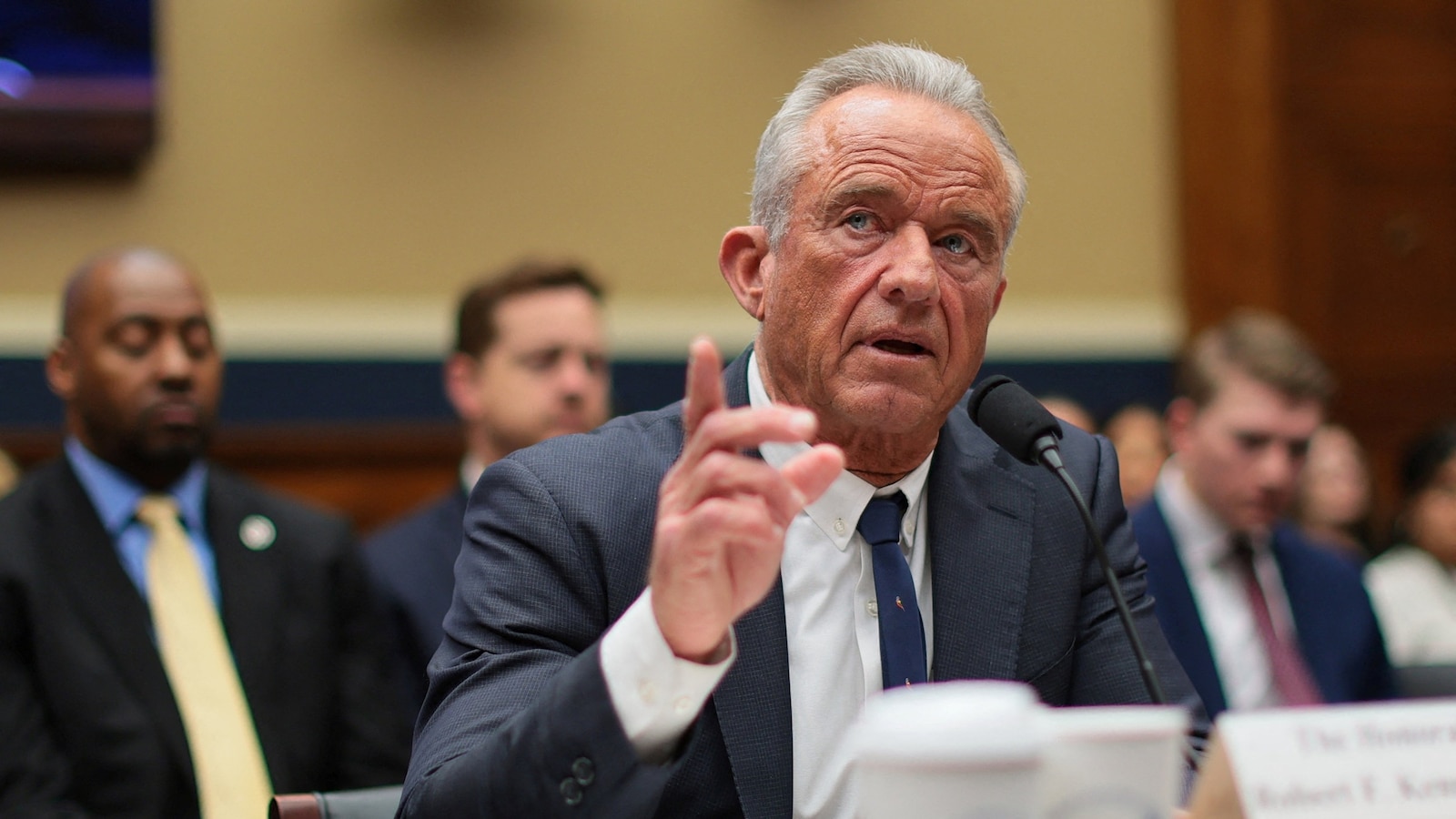
Health and Human Services Secretary Robert F. Kennedy Jr. came under fire during a recent House hearing concerning proposed cuts to the National Institutes of Health (NIH) and the potential ramifications for U.S. biomedical research leadership. Representative Lizzie Fletcher voiced her concerns that these budget reductions could jeopardize national security and diminish the nation's global competitiveness. In response, Kennedy acknowledged the shared worries but pointed to the staggering $35 trillion national debt, which he argued necessitates painful budget cuts.
During the hearing, Representative Marc Veasey characterized Kennedy as the most "anti-vax" figure in recent history. He linked Kennedy's rhetoric to the rising cases of measles and questioned whether Kennedy's recent shift away from vaccine skepticism was influenced by the White House. Kennedy refuted any claims of external pressure regarding his messaging on vaccines. He also defended his decision to terminate former CDC director Susan Monarez, asserting that the dismissal was unrelated to vaccine policies, despite contrary assertions from Representative Ruiz.
Kennedy emphasized that his department is investing $1 billion in vaccine research and declined to commit to adhering to the guidance of the new CDC director nominee, Dr. Erica Schwartz, on vaccine-related matters.
**Sources:** ABC News.