Global protests reveal deep grievances, showcasing social unrest in America and around the world.

Middle East Eye
Protests in France have erupted over a range of grievances, including educational conditions and the high cost of living. The slogan “Bismillah, c’est les ténèbres” has emerged as a rallying cry, mocking police racial stereotypes. Hundreds of thousands participated in the protests, marking the largest mobilization since unrest began last month.
Issues such as overcrowded classrooms, teacher shortages, and systemic inequality have fueled the movement. Investigations into police violence have also been initiated, highlighting concerns over law enforcement conduct. The slogan's origins trace back to a social media chat where students accused undercover police of attempting to infiltrate their discussions. This phrase has resonated beyond France, inspiring similar protests in Italy and Belgium.
The protests reflect a broader trend of social unrest, with parallels drawn to movements in the United States. Activists like rapper Tufawon have called for American protesters to adopt radical tactics inspired by the French. He emphasized the need for marginalized voices to rise against systemic issues in education and public services.
The unrest has led to significant property damage and thousands of arrests, raising questions about the future of civil order. French President Macron condemned the violence, attributing it to radical elements within society. The protests underscore a growing discontent with economic conditions that are not unique to France but resonate globally.
As grievances mount, the potential for similar unrest in the U.S. looms large. The situation reflects a deep-seated frustration among youth, particularly those from immigrant backgrounds. This wave of protests illustrates the interconnectedness of social movements across borders, revealing shared struggles against inequality and injustice.
**Sources:** Al Jazeera Media Network, Denison Forum, Middle East Eye, The New York Post.
US officials stress non-interference in foreign protests, viewing them as domestic political issues.
The Federalist.
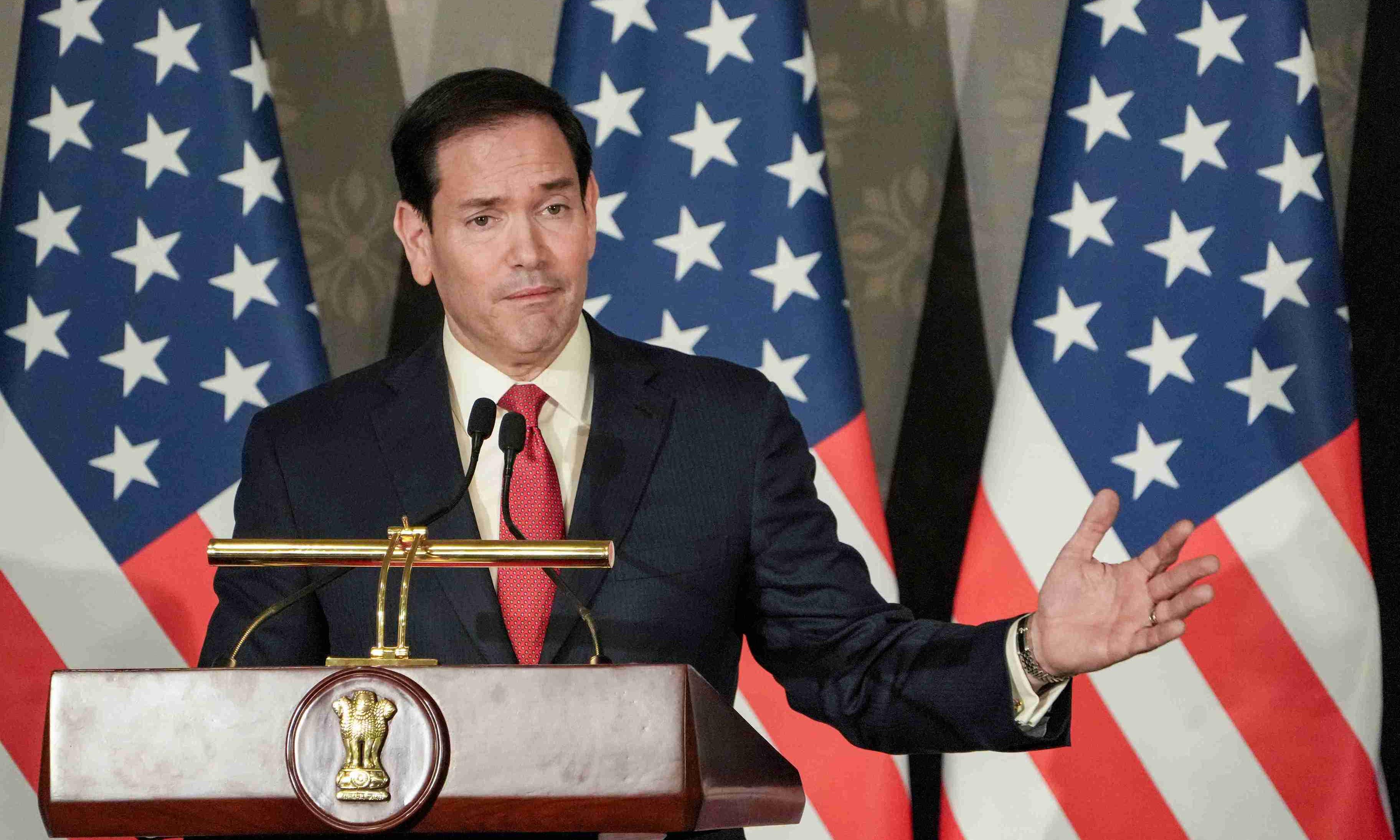
US Secretary of State Marco Rubio has emphasized that the ongoing protests in India are a "domestic political matter," asserting that the United States will not interfere in India's internal affairs. In a recent statement, he dismissed criticism from UN human rights experts regarding the Indian government's response to the protests, labeling the term "UN experts" as an "oxymoron."
Rubio highlighted that political discourse and protests are normal in democracies, drawing parallels with the frequent demonstrations in the United States. He reiterated that democratic nations should resolve political differences through elections rather than state suppression.
In response to the UN's claims, India's government has also rejected the allegations, arguing that human rights should not be used as a tool for political pressure or selective targeting.
**Sources:** ABP News Network, The Federalist, The Free Press Journal, Times Now.