Blackfeet chief's descendants advocate for restoring the Redskins name and imagery.

The Daily Caller.
The descendants of Chief Two Guns White Calf, the figure who inspired the Washington Redskins logo, are calling for the restoration of the team's former name and imagery. The Redskins name was removed in 2020 after being deemed a slur by various Native American activist groups. Chief Two Guns White Calf, born on the Blackfeet Indian Reservation, holds a significant legacy for his family.
Morningstar Gopher, a representative of the estate, emphasized that the logo brought pride to their family and should not be erased from history. Kenneth Conway, the estate lead, expressed frustration over the lack of consultation with the family during the name change process.
The descendants are seeking a meeting with former President Donald Trump to help advance their cause. They believe that restoring the name and logo would honor their grandfather's legacy and benefit the community. Additionally, the family hopes to have RFK Stadium renamed in honor of Chief Two Guns White Calf, arguing that many Redskins fans in Washington, D.C., would support the restoration.
Determined to ensure that their ancestor's contributions are recognized and celebrated, the family continues to advocate for their cause.
**Sources:** CBS News, KTVQ, The Daily Caller, Yahoo! Inc.
California explores marine protections to restore habitats and enhance Indigenous stewardship.

IR Insider.
California is exploring new marine protections aimed at restoring habitats and enhancing Indigenous stewardship in its coastal waters. The Channel Islands, once severely impacted by commercial fishing, have experienced a revival since the establishment of Marine Protected Areas (MPAs) in 2003. These MPAs function as underwater parks, allowing marine ecosystems to recover and flourish.
For the first time in 15 years, California officials are reviewing the MPA network, with proposals to expand existing areas and create new ones. Among the proposals are the Point Sal and Mishopshno State Marine Conservation Areas, co-sponsored by California Tribes. This marks a significant step in recognizing Indigenous stewardship, particularly as the Point Sal area holds cultural significance for the Northern Chumash Tribal Council, which has historical ties to the region.
The Mishopshno proposal aims to protect diverse marine habitats, including kelp forests and rocky reefs, which are vital for various marine species. Support for expanding MPAs is robust among California voters, with approximately 70% in favor of the initiatives. The Fish and Game Commission's decision on these proposals could significantly shape the future of marine conservation in California.
Advocates emphasize the importance of giving the ocean space to heal and thrive, underscoring the role of Indigenous knowledge in effective stewardship.
**Sources:** IR Insider, Law360, The Good Men Project.
California tribes oppose prediction markets, seeing them as a threat to their interests.

SCCG Management.
California tribes are expressing strong opposition to the rise of prediction markets, viewing them as a significant threat to their gaming interests. These markets, such as Kalshi and Polymarket, allow users to trade predictions on various events, including sports outcomes. Unlike traditional sports betting, which is regulated at the state level, prediction markets fall under federal jurisdiction, enabling them to operate in states where sports betting is illegal. This regulatory loophole has allowed companies like DraftKings and FanDuel to introduce prediction markets in California without tribal consent.
Tribal leaders argue that these platforms undermine their sovereignty and the exclusivity granted to them by California voters. Victor Rocha, a prominent tribal member, has voiced strong disapproval, stating that the tribes will retaliate against these companies for their actions. He emphasized that the tribes are preparing a ballot initiative for 2028 that would restrict sportsbooks that collaborate with prediction markets. The tribes feel betrayed by DraftKings and FanDuel, who previously promised to work exclusively with them.
The California Nations Indian Gaming Association has also expressed concerns about the impact of prediction markets on tribal gaming revenues. Some tribes have begun to negotiate partnerships with prediction market platforms, complicating the unity among tribes. Rocha believes that the tribes' collective response to prediction markets could significantly influence the future of gaming in California.
The ongoing legal battles surrounding prediction markets further highlight the tensions between tribal interests and commercial operators. Tribal leaders are determined to protect their rights and interests in the evolving gaming landscape. The situation remains fluid, with potential legal resolutions on the horizon. As the 2028 election approaches, the tribes are strategizing to ensure their voices are heard in the gaming debate.
**Sources:** Casino Reports, Gambling News, Los Angeles Times, New York Post, SCCG Management, Times of San Diego.
Gabriella Cázares-Kelly improves voting access for Arizona's tribal citizens.

Daily Kos
Gabriella Cázares-Kelly is playing a pivotal role in enhancing voting access for Arizona's tribal citizens, particularly in the wake of new proof-of-citizenship requirements that disproportionately affect rural tribal communities. Many Navajo and Apache voters are at risk of losing their active voter status due to the challenges of updating their registration, as vital records offices are often far away.
Arizona Native Vote (ANV), where Cázares-Kelly is involved, has been instrumental in locating these voters and assisting them with the registration process. The organization employs grassroots strategies, including traveling to remote areas and using technology to facilitate communication with county officials. Through these efforts, ANV aims to ensure that no voter is left behind, advocating for the rights and participation of Native voices in the electoral process.
**Sources:** Daily Kos, Indianz.com, Nevada Public Radio.
Oklahoma gains environmental control over reservation land, facing resistance due to lack of tribal consultation.
Hoodline, Inc.
Oklahoma has gained significant control over environmental regulation on reservation land following a recent ruling by the U.S. Court of Appeals for the Tenth Circuit. The court's decision allows the state to administer numerous federal environmental programs without requiring tribal consent. This ruling stems from a provision in the 2005 federal transportation law, which Oklahoma invoked after the Supreme Court's 2020 McGirt v. Oklahoma decision.
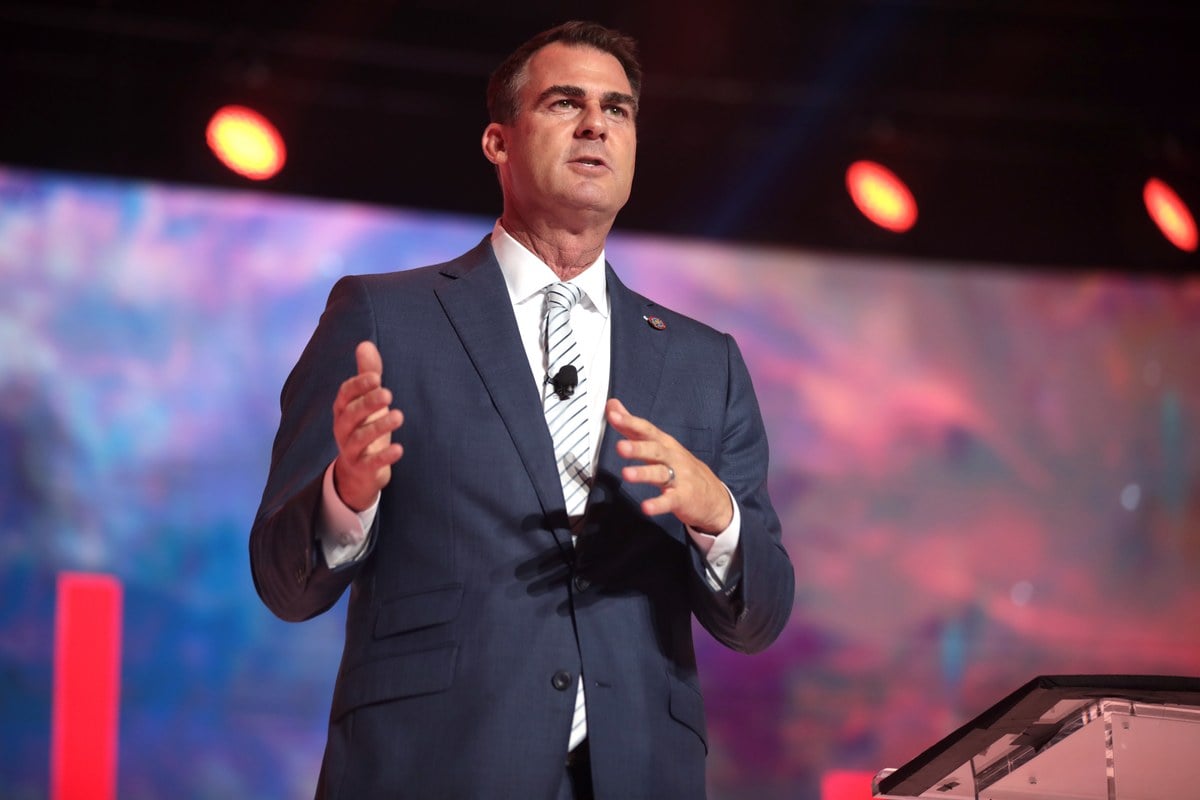
Governor Kevin Stitt hailed the ruling as a victory for state authority and the rule of law. The Tenth Circuit's decision affirms Oklahoma's oversight of 26 federal environmental programs, including the Clean Air Act and Clean Water Act. However, the ruling has faced criticism for lacking adequate tribal consultation. The Pawnee Nation has expressed concerns that the state's authority undermines local tribal environmental protections.
The case has highlighted ongoing tensions between state and tribal sovereignty in Oklahoma. The dissenting judge argued that the ruling disrupts established principles of tribal sovereignty without clear congressional intent. In light of the split decision, the Pawnee Nation is now considering its legal options.
Governor Stitt has emphasized that Oklahoma will enforce consistent environmental regulations for all residents. The ruling reflects a broader jurisdictional clash in eastern Oklahoma since the McGirt decision. Critics argue that the lack of tribal consultation in environmental matters is detrimental to tribal interests.
The ruling's implications extend beyond environmental regulation, affecting the relationship between the state and tribal nations. As the situation evolves, the Pawnee Nation and other tribes may seek to assert their rights more vigorously. The ongoing legal battles underscore the complexities of governance in a region with a fraught history of tribal-state relations.
**Sources:** Energies Media, Hoodline, Inc., News On 6, Scalawag Magazine, Southwest Oklahoma News.