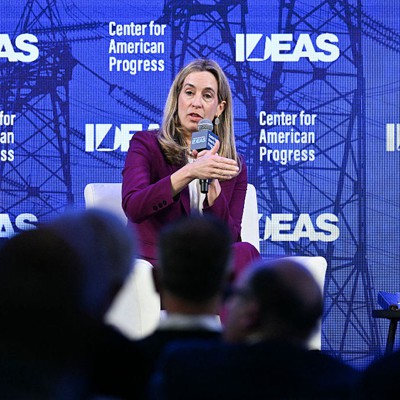
Colorado's law requires prompt compliance with social media search warrants.
Vail Daily.
Colorado has enacted a new law requiring social media companies to respond promptly to search warrants issued by state courts. The bipartisan legislation, known as SB26-011, was signed by Governor Jared Polis. It mandates that online platforms acknowledge receipt of a search warrant within eight hours and comply with the warrant within 72 hours in most cases.
The law applies to platforms with at least one million monthly users and aims to enhance the efficiency of law enforcement investigations, particularly in cases involving serious crimes. The bill was sponsored by Senator Dylan Roberts and House Speaker Pro Tempore Andy Boesenecker, among others. They emphasized the importance of timely access to digital evidence for justice.
In addition to the response requirements, the law mandates that social media companies maintain a 24/7 hotline for law enforcement inquiries. Failure to comply with the law could result in penalties of up to $250,000. This legislation is seen as a response to delays that have previously hindered investigations, with advocates for the law including families affected by online crimes who have pushed for accountability from social media platforms.
Another proposed bill seeks to shorten compliance time to 24 hours for certain cases. This initiative follows tragic incidents, including a school shooting linked to social media activity. The new law is expected to improve pathways to justice for victims and their families, reflecting a growing recognition of the role of digital evidence in modern law enforcement.
**Sources:** CBS News, Montrose Daily Press, Route Fifty, Senate Dems, Vail Daily.
Concerns grow for local journalism's future as Iowa faces newspaper closures.
Journal of Nursing and Development.
Concerns are mounting for the future of local journalism in Iowa as nearly 20 newspapers face imminent closure due to Mid-America Publishing's decision to divest from the industry. The closures are set to take effect on April 2, affecting long-standing publications like the Clarksville Star and the Butler County Tribune. These newspapers have served their communities for over 200 years, providing essential news and preserving local history.
Residents express deep sadness over the potential loss, emphasizing the role of these papers in connecting communities and documenting local events. Journalism professor Ty Rushing warns that the closures could lead to a significant loss of accountability in local government, as fewer reporters will cover important civic meetings. The impact extends beyond news coverage; community newspapers often include personal milestones, fostering a sense of identity and cohesion among residents.
Mid-America Publishing cites rising costs and declining readership as primary reasons for the closures, a trend exacerbated by the COVID-19 pandemic. The company is exploring potential buyers for some of the affected newspapers, but not all may survive the transition. The Western Iowa Journalism Foundation has offered support to help modernize struggling newsrooms, recognizing the critical role of local journalism.
Experts suggest that newspapers must adapt their business models to thrive in a digital age, focusing on building a stronger online presence. The loss of local newspapers could diminish civic engagement and the watchdog function that these outlets provide. Community members are hopeful that new ownership might preserve their local papers, but uncertainty looms.
The situation reflects broader challenges facing rural journalism across the country, where many outlets have already consolidated or downsized. As the deadline approaches, residents are left grappling with the potential void in their local news landscape. The future of these newspapers remains uncertain, highlighting the fragile state of local journalism in Iowa.
**Sources:** Iowa Public Radio, Journal of Nursing and Development, KCCI Television, KCRG-TV, KWWL Television, Radio Iowa.
Federal judge permanently blocks Trump administration's funding cuts to NPR and PBS.
Arkansas Democrat-Gazette
The order, issued on May 1, 2025, aimed to terminate funding based on claims of biased reporting, which the judge found to be an unlawful action targeting specific viewpoints. While the ruling does not restore previously rescinded funding, it allows public radio stations to apply for federal grants that were previously unattainable.
This decision is seen as a significant victory for independent media and the freedom of the press, reinforcing that public media should serve the public rather than political interests.
**Sources:** Arkansas Democrat-Gazette, Aspen Public Radio, KKTV 11 News.
Missouri lawmakers advocate for children's social media safety laws due to increased usage.
The Daily Freeman.
Missouri lawmakers are increasingly concerned about the impact of social media on children as usage rates continue to rise. In response, they are advocating for new legislation aimed at safeguarding minors online. Last year, the state implemented a ban on cell phone use in schools for students. Now, lawmakers are considering limits or outright bans on social media for younger users.
State Senator Joe Murray is sponsoring a bill that would prohibit children under the age of 14 from accessing social media platforms. For those aged 14 and 15, access would require parental consent. Murray argues that social media is designed to be addictive, posing significant risks to children. He draws parallels between the need for regulation now and past government actions against tobacco companies.
Research indicates that excessive social media use can lead to negative mental health outcomes for minors. Critics of the proposed regulations contend that parents should be responsible for monitoring their children's social media use. However, some experts warn that social pressures can complicate parents' ability to enforce limits effectively.
The proposed legislation aims to create a safer online environment for children. Lawmakers are also considering the implications of social media addiction on education and social skills. The debate continues as Missouri seeks to balance First Amendment rights with the necessity of child protection. The outcome of these discussions could set a precedent for how states regulate social media access for minors. As the situation evolves, the focus remains on safeguarding children's well-being in the digital age.
**Sources:** Audacy, Inc; First Alert; Kentucky Today; The Atlanta Journal-Constitution; The Daily Freeman; WSIL-TV; Yahoo! Inc.
Rulings against Meta and Google may prompt more child safety lawsuits.
Newswise, Inc
A recent jury in Los Angeles has found Meta and YouTube negligent for their platform designs that harm young users. This ruling follows a similar verdict in New Mexico, where Meta was held liable for endangering children. The implications of these decisions could reshape the landscape of legal accountability for social media companies.
Lori Schott, a mother whose daughter died by suicide, attended the trial and is advocating for accountability from social media companies. She believes the verdicts validate the experiences of families affected by social media-related tragedies. Both Meta and YouTube plan to appeal the decisions, which could lead to a wave of similar lawsuits.
Experts suggest that these rulings may redefine legal accountability for social media companies regarding user design. The cases highlight a growing concern about the impact of social media on youth mental health. Schott supports the 'Kids Online Safety Act' to enforce stricter protections for children online.
The trials revealed internal documents indicating that younger users are more engaged with Instagram, despite age restrictions. The New Mexico jury found that Meta violated child exploitation laws, resulting in significant civil penalties. These verdicts signal a shift in public perception regarding the responsibilities of tech companies.
Legal experts predict that the outcomes could influence over 1,500 similar cases pending against social media firms. The rulings may also prompt parents to demand more robust safety measures from these platforms. Schott emphasizes the need for laws that hold tech companies accountable beyond profit motives.
As these legal battles unfold, the focus on child safety in digital spaces is likely to intensify. The recent verdicts could lead to increased scrutiny and potential changes in how social media operates.
**Sources:** Denver7, KPLC 7 News, Newswise, Inc., The Baltimore Sun, The New Castle News.