Florida and Georgia restrict minors' social media access amid ongoing legal battles.

Keys News.
Florida and Georgia have recently enacted laws aimed at restricting minors' access to social media, amidst ongoing legal battles regarding their constitutionality. In Florida, the 11th Circuit Court of Appeals has ruled that the state can enforce a ban on social media accounts for children under 14, while requiring parental consent for those aged 14 to 15. This legislation, known as House Bill 3, was signed into law by Governor Ron DeSantis in 2024. The law has faced challenges from technology trade groups, which argue that it violates First Amendment rights. However, the court found that the law is likely constitutional, as it regulates social media platforms based on their features rather than the content shared. Florida's Attorney General hailed the ruling as a victory for protecting minors from social media addiction.
Meanwhile, Georgia has introduced a similar law that requires age verification for social media accounts. This legislation mandates that social media companies make "commercially reasonable efforts" to verify users' ages, with parental consent required for children under 16. Although the law faced legal challenges, it was recently upheld by the 11th Circuit, which vacated a lower court's injunction against it. The court emphasized that the law does not infringe on minors' rights to free speech but instead aims to protect them from potential online harms.
Both states are part of a broader trend in which several U.S. states are implementing restrictions on minors' social media use. Critics of these laws argue that they could infringe on free speech and may not effectively address the mental health issues associated with social media use. Conversely, proponents stress the importance of safeguarding children from online dangers. As these legal battles continue, the implications for social media companies and minors' rights remain significant. The outcomes could set important precedents for how states regulate digital spaces for young users. Ongoing discussions reflect a growing concern over the impact of social media on youth mental health and safety.
**Sources:** ABC News, CBS News, Fire, Keys News, MLex Market Insight, New York Post, Sharjah 24, The Conversation, The Floridian Press, The Marietta Daily Journal, The Orlando Sentinel, The Siasat Daily, The Straits Times, Toronto Star, WCTV.
Many Americans, especially younger audiences, rely on social media for news consumption.

Colorado Times Recorder.
Many Americans, particularly younger audiences, are increasingly turning to social media for their news consumption. A recent survey reveals that 59% of U.S. adults report they get news from these platforms at least occasionally. Among these, Facebook and YouTube stand out as the most popular sources, with 40% and 34% of adults respectively stating they regularly obtain news from these sites.
Younger adults are notably more inclined to use platforms like TikTok and Instagram for news, with 20% and 23% respectively, compared to older demographics. This trend highlights a growing reliance on social media for news, despite ongoing concerns about the credibility of the information being shared. Many users find it challenging to differentiate between genuine journalism and paid promotions, raising significant questions about the future of journalism and its role in a healthy democracy.
**Sources:** Al Jazeera Media Network, Colorado Times Recorder, Pew Research Center.
Naperville School District 203 may join lawsuit over social media's mental health effects.
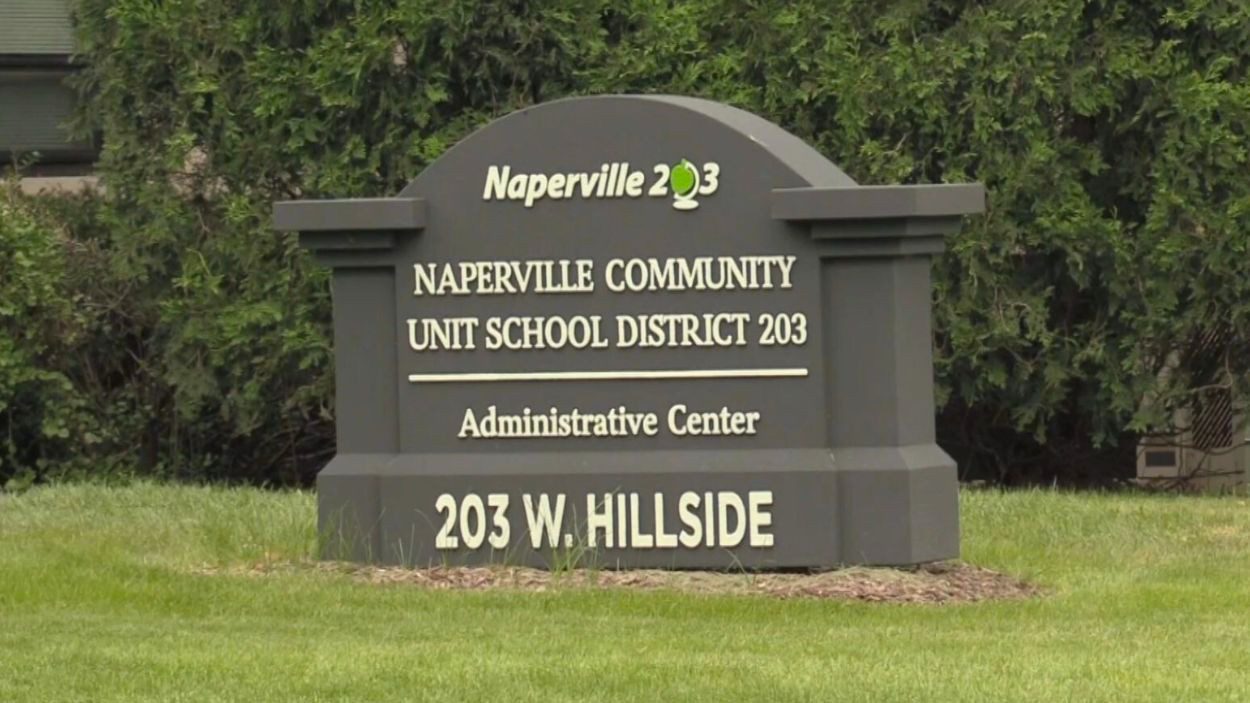
Naperville Community Television.
Naperville School District 203 is contemplating joining a lawsuit that targets the mental health effects of social media on students. The board of education voted unanimously to further explore this legal action, which is part of a larger multidistrict litigation aimed at social media companies such as Meta and Snap. This litigation focuses on how the design of these platforms contributes to mental health issues among adolescents.
Concerns have been raised regarding the addictive nature of social media, particularly the algorithms used by Instagram that promote harmful content. Parents and educators are increasingly worried about the impact of social media on youth mental health. In response, the district has previously allocated funds for mental health resources, demonstrating its commitment to addressing these pressing issues.
Superintendent Dan Bridges expressed support for investigating the implications of the lawsuit. The legal action seeks to hold tech companies accountable for their role in exacerbating mental health crises among students. Families pursuing individual claims believe that collective legal pressure could lead to meaningful changes in how these companies operate.
The lawsuit underscores the urgent need for better safeguards for young users on social media platforms. Research has shown a correlation between social media use and increased rates of anxiety and depression among teens. The district's involvement in this legal initiative could provide additional resources to support students grappling with mental health challenges.
This initiative reflects a growing recognition of the need for accountability within the tech industry. The outcome of this litigation could have significant implications for the operations of social media companies. Ultimately, the district aims to protect its students and promote their well-being in an increasingly digital world.
**Sources:** Bloomberg Industry Group, Naperville Community Television, The Business Standard, the Lawsuit Information Center.