Africa
Scrolla
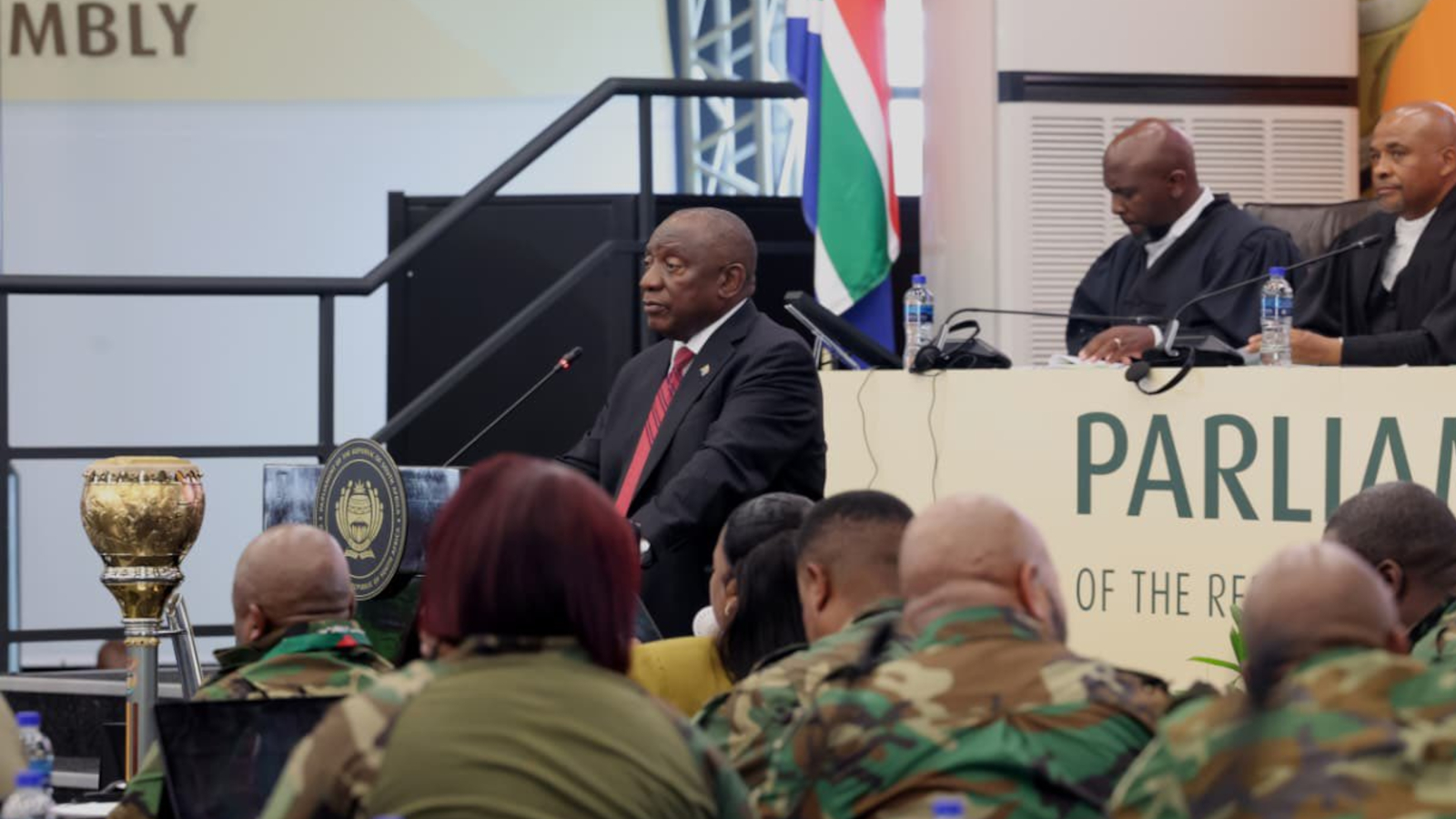
Donald Trump’s administration is raising alarms in South Africa, particularly regarding the potential removal of the country from the African Growth and Opportunity Act (AGOA). This act allows for duty-free access of South African goods to the United States, a crucial benefit for the nation’s economy.
President Cyril Ramaphosa has expressed that losing AGOA benefits could have a significant impact on jobs within South Africa. In response to these concerns, the government is actively seeking alternative markets, including the pursuit of a new trade deal with China.
Relations between South Africa and the US have soured under Trump’s leadership. The president has made various accusations against the South African government, which officials in Pretoria have vehemently denied. Furthermore, some US officials have suggested that South Africa should be removed from AGOA, a move that underscores the increasingly strained diplomatic ties between the two nations.
This situation highlights the broader implications of changes in US foreign policy under Trump for African nations, raising questions about the future of trade and cooperation on the continent.
**Sources:** Scrolla.
Asia

The Chosun Ilbo.
The ongoing conflict involving Iran has escalated military tensions in the Middle East, with the United States exploring various military options while refraining from deploying ground troops. Secretary of State Marco Rubio has underscored the necessity of balancing national security with global energy supply concerns, particularly as Iran's actions pose a threat to commercial shipping in the Strait of Hormuz.
In addition to these developments, the U.S. has been engaged in negotiations for a trade deal with India, which is navigating its energy needs amidst rising tensions and sanctions related to Russian oil purchases. The situation is further complicated by intensified attacks from Houthi rebels on Saudi Arabia, raising fears of a broader conflict in the region.
As the situation remains fluid, potential military actions are being weighed against diplomatic efforts aimed at stabilizing the region and preventing Iran from acquiring nuclear capabilities.
**Sources:** Dainik Jagran, Hiru News, Hürriyet Daily News, India Today, Iran International, Mid-Day Multimedia Ltd., Mint, Moneycontrol, News Not Noise, Organiser, Republic World, Responsible Statecraft, The Chosun Ilbo, The Economic Times, The Hindu Business Line, The Sunday Guardian, Tripura Chronicle, Türkiye Today, Vietnam News Agency, WION (World Is One News), World Israel News, WPDE ABC 15.
Atlantic Ocean

The Globe and Mail
Prolonged supply disruptions have significantly strained global diesel supplies, leading to record high prices in Canada. The International Energy Agency has agreed to release over 20 million barrels of diesel to alleviate shortages exacerbated by geopolitical tensions in the Middle East and Ukraine.
The ongoing conflict has disrupted shipping routes, particularly through the Strait of Hormuz, which is vital for oil transport. Despite a recent surge in crude oil exports from Gulf producers, analysts predict that high diesel prices will persist due to ongoing conflicts and supply chain challenges.
Canadian energy companies are benefiting from these elevated prices; however, they face difficulties in capital planning due to pipeline constraints. The situation remains precarious, with the potential for further escalation in geopolitical tensions impacting global oil markets.
**Sources:** The Globe and Mail.
Europe
The Nightly
Russian President Vladimir Putin has proposed a trilateral summit involving former U.S. President Donald Trump and Chinese President Xi Jinping, as tensions continue to escalate in Eastern Europe. Ukrainian officials have expressed serious concerns regarding Russia's stockpiling of ballistic missiles, which suggests a potential increase in military attacks.
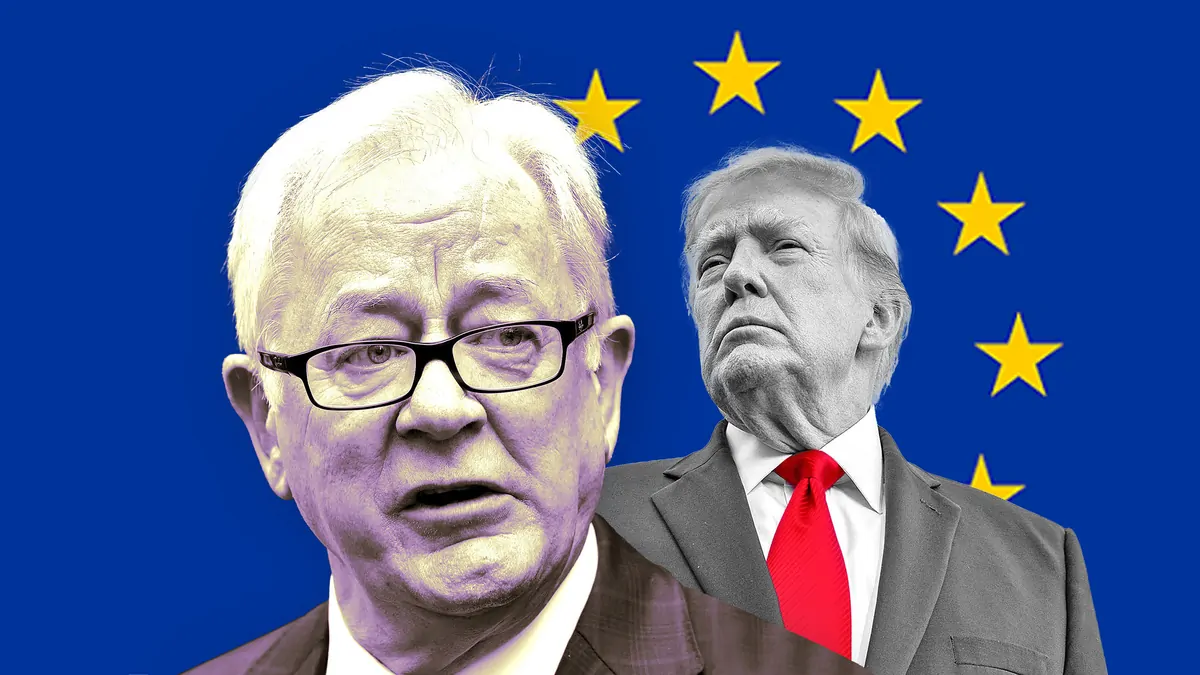
The European Union is currently navigating the ramifications of Trump's recent decision to waive sanctions against Russia. This move has sparked bipartisan criticism within the United States, with many arguing that it could weaken support for Ukraine in its ongoing conflict with Russia. In response to these developments, the EU's foreign policy chief has stressed the importance of establishing a careful legal justification before any action is taken regarding Trump's controversial decision.
As the conflict in Ukraine nears its fifth anniversary, worries are mounting over civilian casualties and the long-term sustainability of international support for Ukraine's defense efforts.
**Sources:** Audacy, Inc; Australian Broadcasting Corporation; CBS News; CP24; Deccan Herald; EADaily; Egypt Independent; Free Malaysia Today; Independent News & Media; India News Network; Kyiv Post; Nation Multimedia Group; NBC News; Politis; Scripps News; Seoul Broadcasting System; Telewizja Polska; The Chosun Ilbo; The Council on Foreign Relations; The Guardian; The Herald Bulletin; The Korea Herald; The Korea Times; The Nightly; The Philadelphia Inquirer; The Spokesman-Review; The Straits Times; The Sydney Morning Herald; The Times West Virginian; Times Now; Ukrainian National News; Vatican News.
Latin America
Buenos Aires Times.
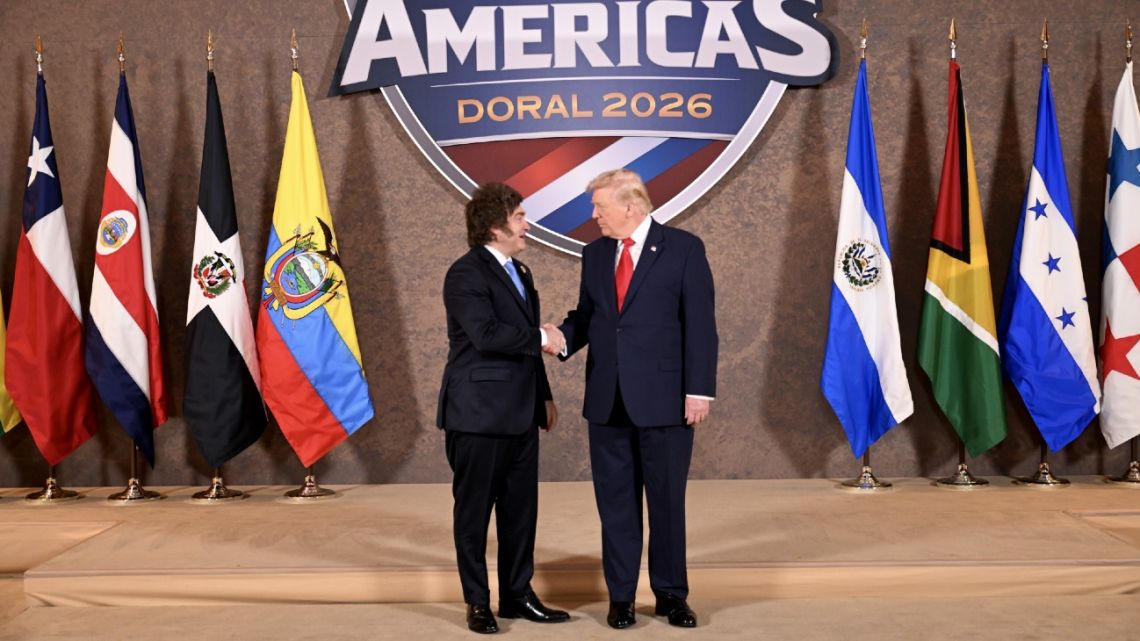
Latin America is witnessing a significant rightward shift in its political landscape, resulting in a closer alignment with the Trump administration and multilateral lenders such as the International Monetary Fund (IMF). This transformation was prominently displayed at the recent IMF-World Bank meetings, where officials voiced support for the new market-friendly policies being adopted by several Latin American governments.
Countries including Argentina, Chile, Colombia, and Bolivia are now actively engaging with the IMF for financial assistance, marking a departure from the previous leftist governments that had criticized these institutions. Currently, the IMF has active programs in ten Latin American countries, highlighting a notable increase in cooperation with leaders aligned with Trump’s policies.
As these nations strive to stabilize their economies, they are increasingly turning to Washington-based institutions for funding and policy guidance. The World Bank is also expanding its involvement in the region, preparing comprehensive lending packages for countries like Colombia and Venezuela, which has recently resumed relations with the bank.
This shift signifies a remarkable transformation in the region's approach to fiscal policy and international relations, moving away from past antagonism towards multilateral financial institutions.
**Sources:** Buenos Aires Times, The Hankyoreh, Yahoo News.
North America

Al Jazeera Media Network
President Donald Trump has announced that he will refrain from initiating attacks on Iran prior to the upcoming midterm elections on November 3. However, tensions in the region remain elevated as Iranian attacks on shipping in the Strait of Hormuz have surged, with Tehran employing new offensive tactics.
In response to these developments, the US military has bolstered its presence in the area, deploying additional aircraft carrier strike groups and maintaining a naval blockade on Iranian ports. Analysts indicate that while the US possesses significant military capabilities, achieving desired outcomes has proven to be a complex challenge. Furthermore, the costs associated with any further military action could be substantial.
The ongoing conflict has already disrupted global oil supplies, with recent attacks leading to a decline in oil transport through the Strait of Hormuz, a critical artery for international energy markets. As the situation continues to evolve, experts caution that any escalation could result in greater instability in the region and heightened risks for US forces.
**Sources:** Al Jazeera Media Network.