California expands coastal conservation areas to 22.2% with new protections.

NewsNation
California has taken a significant step in marine conservation by expanding its coastal protection areas to 22.2%. Governor Gavin Newsom recently announced the designation of the first tribal-led marine protected areas, which include Point Sal and Carpinteria Reef. This initiative is a collaborative effort with California tribes and aims to safeguard coastal communities and marine life from ongoing threats, particularly those posed by offshore oil drilling.
The state's commitment to conservation is evident in its goal to protect 30% of coastal waters by 2030. This ambitious target reflects a dedication to tribal stewardship of marine resources, emphasizing the vital role that indigenous communities play in environmental protection. The Chumash Tribe has been instrumental in proposing these protected areas, underscoring the importance of preserving regions that have been adversely affected by pollution and industrialization.
**Sources:**
https://baynature
NewsNation
Yahoo! Inc.
Thousands of California homes are threatened by wildfires due to climate change challenges.

The News International
Thousands of homes in California are increasingly at risk from wildfires, a situation exacerbated by the ongoing challenges posed by climate change. The state has witnessed a significant rise in both the frequency and intensity of wildfires, with recent events underscoring the urgent need for improved fire management and prevention strategies.
As temperatures continue to rise and drought conditions persist, the vulnerability of residential areas to wildfires grows. Local governments are grappling with the dual pressures of protecting communities while also addressing the environmental factors that contribute to these disasters. This situation highlights the critical intersection of climate change and housing safety in California.
In light of these challenges, there are growing calls for more robust policies and increased funding aimed at mitigating future risks associated with wildfires.
**Sources:** KUNC, NBC News, Roll Call, Inc., The News International.
Trump administration weakens Endangered Species Act, threatening numerous species across the country.
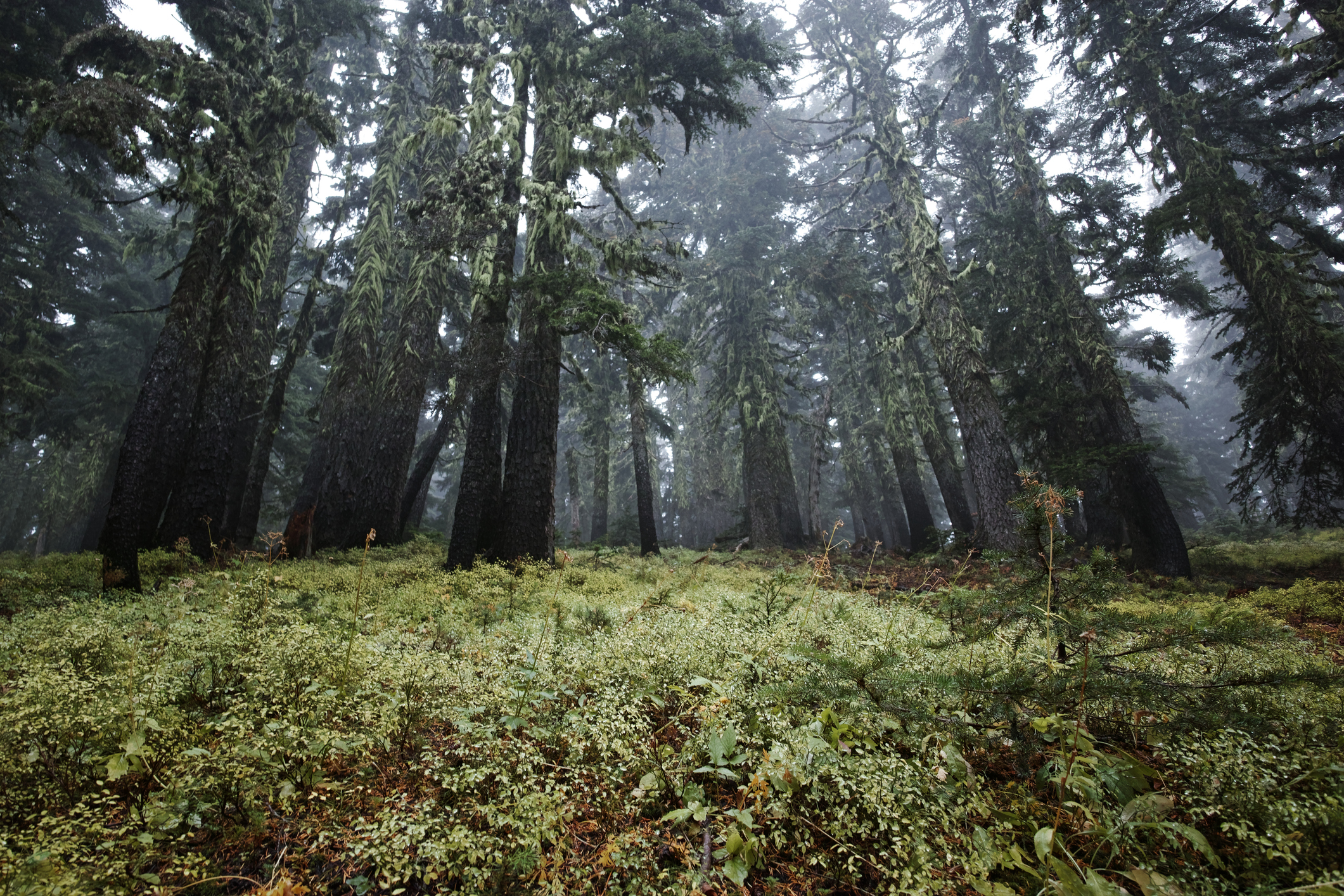
Portland Mercury
The Trump administration has implemented significant changes to the Endangered Species Act, prompting warnings from experts about potential threats to numerous species across the country. A new rule allows oil and gas companies to kill polar bears and Pacific walruses in Alaska, provided the killings are deemed "unintentional." This rule change, finalized by the U.S. Fish and Wildlife Service (FWS), is set to last until 2031 and grants legal immunity for incidental wildlife deaths during oil and gas operations.
The FWS received over 85,500 public comments opposing the rule before its approval. In addition to this controversial provision, the administration has narrowed the definition of "harm" under the Endangered Species Act, stating that only intentional acts against protected species will be considered illegal. This reinterpretation could jeopardize the habitats of various endangered species, as habitat degradation will no longer be classified as harm.
In Michigan, for instance, the changes could impact 26 federally protected species, including the eastern massasauga rattlesnake and piping plovers. Wildlife advocates argue that habitat loss is the primary driver of extinction, and these rollbacks will exacerbate the crisis. The administration's actions have drawn criticism from environmental groups and state attorneys general, who have filed lawsuits against these changes. Critics contend that the revisions prioritize industrial interests over wildlife conservation.
The Trump administration defends these changes as necessary for economic development and energy production. However, the rollback of protections has not led to lower oil and gas prices, which have continued to rise. Historically, the Endangered Species Act has been credited with saving nearly 300 species since its inception. Experts warn that without adequate habitat protections, many species could face increased risks of extinction.
While ongoing legal battles may delay the implementation of these harmful changes, the current rules remain in effect. The future of numerous species hangs in the balance as the administration continues to prioritize industry over conservation.
**Sources:** Colorado Pols, Interlochen Public Radio, Native News Online, Portland Mercury, the Chicago Sun-Times, The Daily Caller, Truthout, Yellowstone Public Radio.
Wisconsin requires stricter assessments for data centers to reduce environmental impacts.

Civic Media.
Wisconsin has reached a significant settlement that requires stricter environmental assessments for future data center developments. This decision follows a lawsuit filed by environmental groups against the Department of Natural Resources (DNR). The Sierra Club and Midwest Environmental Advocates contended that the DNR had failed to conduct adequate environmental impact statements for a large data center project in Port Washington.
As part of the agreement, the DNR will now be obligated to perform full environmental impact statements for individual data center proposals. Additionally, the department will undertake a statewide review of resource consumption by these facilities. This initiative is designed to address the substantial increase in energy demand projected from data centers, which could rise by 40% over the next six years.
Wisconsin joins a select group of states that are implementing comprehensive measures to evaluate the environmental impacts of data centers on a statewide scale.
**Sources:** Civic Media, The Charleston Gazette-Mail, Wisconsin Watch.