Arkansas achieves record employment levels, maintaining an unchanged unemployment rate of 3.9%.
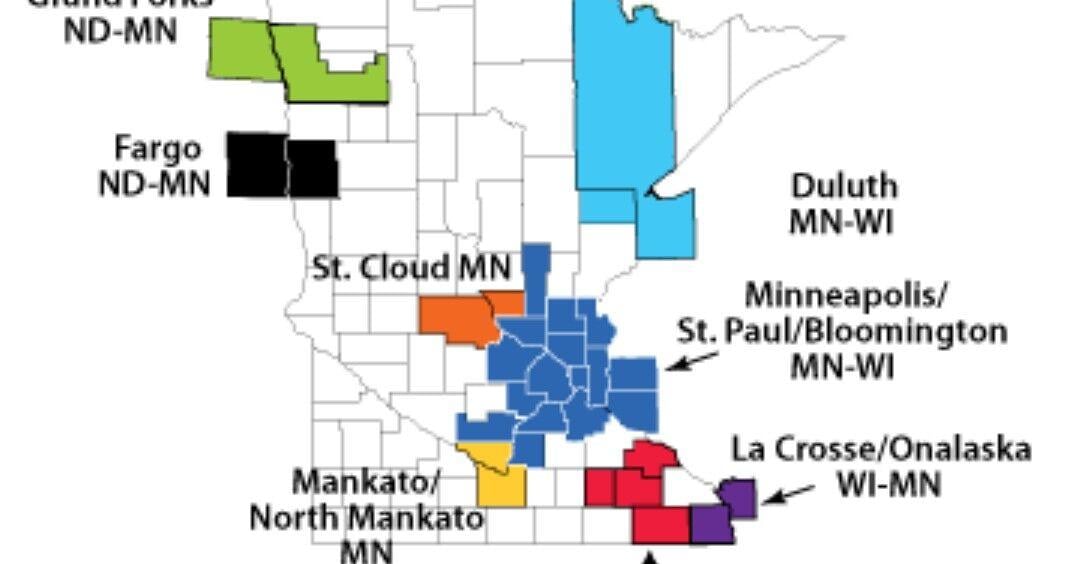
Mankato Free Press.
Arkansas has reached record employment levels, maintaining an unchanged unemployment rate of 3.9% in September 2026. The state experienced a 1% increase in nonfarm payroll jobs, totaling 1,350,800, which represents an increase of 11,700 jobs compared to September 2025. The number of unemployed residents decreased by over 8%, falling to 56,194. Additionally, the labor force participation rate rose to 59.1%, up from 58.9% a year earlier.
Dr. Michael Pakko, chief economist at the Arkansas Economic Development Institute, commented that the data reflects strong labor market performance. The number of employed Arkansans increased by 1,902 in September, marking the ninth consecutive month of growth. Year-over-year, the household measure of employment rose by 20,642, or approximately 1.1%.
The largest job gains were observed in the Leisure and Hospitality sector, which added 4,300 jobs, followed by Trade, Transportation, and Utilities, which gained 3,900 jobs. However, the Financial Activities sector experienced a loss of 1,000 jobs during the same period, and the government sector also saw a decline, with 600 fewer jobs reported. In contrast, the national unemployment rate was slightly higher at 4.2% in September.
Arkansas's job growth coincided with the start of the school year, contributing to a rise in government employment by 10,500 jobs. Despite the overall positive trends, disparities in employment and wages persist across different regions of the state. The upcoming metropolitan-area employment report is anticipated to provide further insights into local job growth. Overall, Arkansas's labor market continues to demonstrate resilience and growth amid national trends.
**Sources:** 1012 Industry Report, DeltaPlex News, Fox Bangor, KTSA Radio, Las Vegas Sun, Mankato Free Press, Talk Business & Politics, The World Link, WDAY Radio.
Maryland's unemployment rate dropped, yet payroll jobs saw a significant decline.

WFIW Radio.
Maryland's unemployment rate has decreased to 3.9% in September, marking its lowest level since April 2025. This positive trend in unemployment, however, comes alongside a significant loss of 8,800 nonfarm payroll jobs during the same month.
The total nonfarm payroll employment in the state now stands at approximately 2,794,300, which is 0.5% lower than the previous year. Major job losses were particularly pronounced in sectors such as healthcare and social assistance, which experienced a decline of 2,400 jobs. Additionally, the accommodation and food services sector saw a reduction of 2,000 jobs.
The Maryland Department of Labor has indicated that the volatility in job estimates may reflect challenges in data collection rather than actual employment fluctuations.
**Sources:** The Daily Record, The Southern Maryland Chronicle, Twitter, Inc., WFIW Radio.
Nebraska faces a food insecurity crisis because of new SNAP requirements.

KWQC-TV.
Nebraska is grappling with a food insecurity crisis as new work requirements and eligibility restrictions for the Supplemental Nutrition Assistance Program (SNAP) have resulted in approximately 40,000 residents losing their benefits this year. Advocates from Nebraska Appleseed report that additional state verification requirements have made it increasingly difficult for individuals to maintain their SNAP eligibility.
Food banks across the state are struggling to meet the rising demand, with some organizations forced to deny assistance to families due to limited resources. Joan Jakoubek, a Nebraska veteran, shared the challenges her family faces in affording food while searching for employment, emphasizing that many families are enduring similar hardships.
The Nebraska Department of Health and Human Services claims to be addressing staffing challenges to improve service delivery. However, advocates warn that the current system is becoming increasingly unstable, leaving many vulnerable residents without the support they need.
**Sources:** KETV Omaha, Klin, KWQC-TV, Lincoln Journal Star, Northwest Arkansas Newspapers, WDIV Local 4.
Texas voters consider affordable child care a crucial issue for the midterm elections.

12 On Your Side.
As Texas families grapple with escalating child care costs, the issue is emerging as a significant topic in the upcoming midterm elections. A recent poll indicates that 79% of Texas voters support tax incentives for employers to provide child care options, reflecting widespread concern about affordability.
The financial burden of child care, which can reach approximately $11,000 annually for families, often forces parents to reconsider their employment decisions. Political analysts emphasize that the affordability of child care is not just a personal expense but a critical workforce issue that impacts the state's economic stability.
With the potential to influence both current and future parents, child care affordability is likely to resonate with a broad range of voters as they head to the polls.
**Sources:** 12 On Your Side, Colorado Times Recorder, Denton Record-Chronicle, Greater Houston Partnership, KPRC 2 Houston, Shaw Media.
Virginia forms coalition to support residents impacted by federal budget cuts.

The Washington Sun
Governor Abigail Spanberger has announced the formation of the Virginia United Coalition, a collaborative effort comprising 32 organizations dedicated to assisting residents impacted by federal budget cuts stemming from H.R. 1. This coalition is particularly focused on addressing the potential loss of healthcare for over 300,000 Virginians enrolled in Medicaid, as well as the significant decline in SNAP participation, which has dropped by more than 150,000 individuals since June 2025.
The coalition aims to tackle these pressing issues by partnering with various sectors, including healthcare, food access, and education. Through this collaboration, the coalition seeks to help residents navigate the evolving federal requirements and maintain access to essential services. Participating organizations will offer resources, training, and assistance to ensure that eligible Virginians can retain their benefits despite the disruptions caused by the federal cuts.
Governor Spanberger underscored the urgency of this initiative, asserting that families should not have to face these changes alone.
**Sources:** The Washington Sun, Tradeoffs., WSLS 10 News.
Wisconsin communities adapt to employer losses with strategic economic growth initiatives.

https://davids
Wisconsin communities are responding to significant employer losses by implementing strategic economic growth initiatives. In Kenosha, the Kenosha Innovation Neighborhood project is transforming vacant land into a mixed-use development aimed at fostering community engagement and economic revitalization.
In Jefferson County, local leaders have established a development fund designed to attract housing developers. This initiative has already proven successful, with Kikkoman committing to invest in a new production facility in the area.
Meanwhile, Wisconsin Rapids is focusing on entrepreneurial education and partnerships to stimulate local business growth following the closure of a major mill. These efforts reflect a collective commitment to resilience and innovation in the face of economic challenges.
**Sources:**
https://davids
The Capital Times
The West Virginia Press Association